
The Impact of Blue Light on Your Skin and How to Protect It
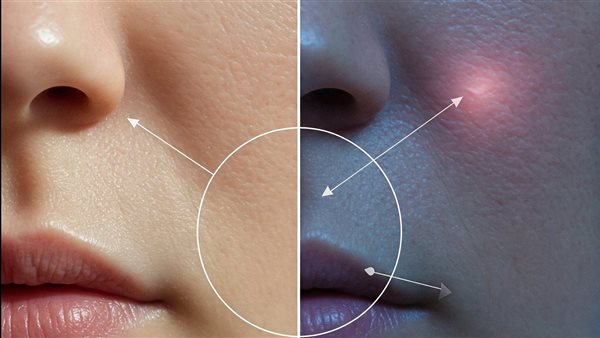
The Impact of Blue Light on Your Skin and How to Protect It
In our increasingly digital world, our skin is exposed to more than just sunlight. Another type of light, known as blue light or High-Energy Visible (HEV) light, is emitted from electronic devices like smartphones, tablets, laptops, and LED screens. While we know about the potential harm of UV radiation from the sun, the effects of blue light on our skin are a growing concern.
Understanding Blue Light
Blue light is a high-energy, short-wavelength light that falls within the visible light spectrum. While the primary source of blue light is the sun, our prolonged exposure to digital screens means we are constantly surrounded by artificial sources. This constant exposure has led researchers to investigate its potential impact on our health, including our skin.
The Potential Effects of Blue Light on Skin
Emerging research suggests that blue light can have several effects on the skin:
- Oxidative Stress: Blue light can penetrate the skin and generate reactive oxygen species (ROS), leading to oxidative stress. This process can damage skin cells, collagen, and elastin, potentially accelerating the signs of aging like wrinkles and fine lines.
- Hyperpigmentation: Studies indicate that blue light exposure can contribute to hyperpigmentation, such as dark spots and melasma, particularly in individuals with darker skin tones.
- Inflammation: Blue light may trigger inflammatory responses in the skin, which can exacerbate conditions like rosacea and contribute to overall skin sensitivity.
- Disruption of Skin Barrier: Some research suggests that prolonged blue light exposure can weaken the skin barrier, making it more susceptible to environmental aggressors and moisture loss.
How to Protect Your Skin from Blue Light
While more long-term research is needed to fully understand the extent of blue light's impact, taking proactive steps to protect your skin is a wise approach. Here are some effective strategies:
- Limit Screen Time: Being mindful of the time you spend on digital devices is the most direct way to reduce blue light exposure. Take breaks and try to minimize non-essential screen use, especially before bedtime.
- Use Screen Protectors: Blue light screen protectors are available for various devices and can filter out a significant portion of blue light emissions.
- Adjust Device Settings: Many smartphones, tablets, and computers have built-in "night mode" or blue light filter settings. Enabling these features reduces the amount of blue light emitted by the screen, especially during evening hours.
- Incorporate Antioxidants into Your Skincare Routine: Antioxidant-rich skincare products, such as those containing vitamin C, vitamin E, and ferulic acid, can help neutralize the free radicals generated by blue light exposure and protect against oxidative stress.
- Consider Mineral Sunscreens: While traditional sunscreens primarily protect against UV radiation, some mineral-based sunscreens containing zinc oxide and titanium dioxide can offer some protection against blue light. Look for formulations that specifically mention blue light protection.
- Maintain a Healthy Lifestyle: A balanced diet rich in antioxidants, regular exercise, and sufficient sleep can contribute to overall skin health and resilience against environmental stressors, including blue light.
The Takeaway
While blue light from our devices might not be as intense as sunlight, our prolonged and frequent exposure warrants attention. By implementing these protective measures, you can mitigate the potential effects of blue light on your skin and maintain a healthy, radiant complexion in our digitally driven world.